
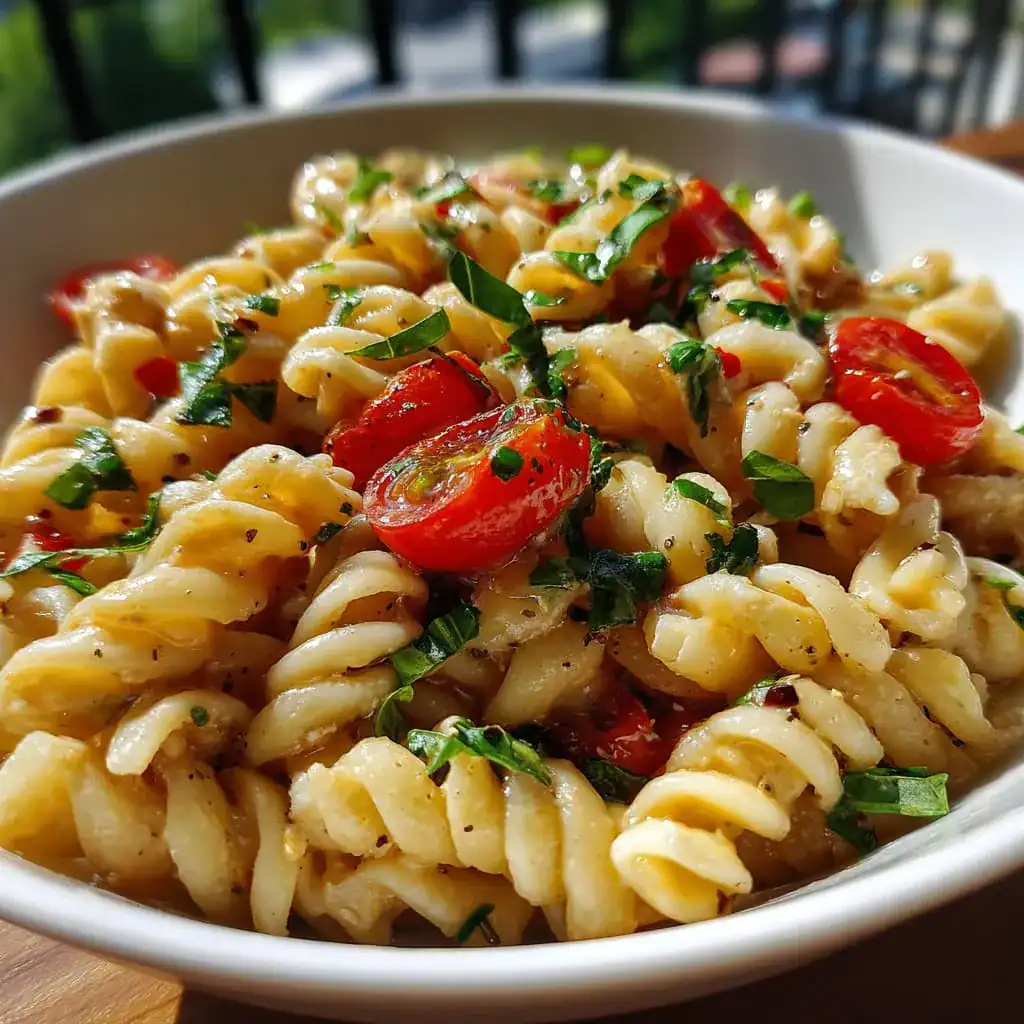
Gluten free protein pasta became more than just a recipe idea for me — it was part of my journey to reclaim my health. I’m Elsie Graham, a health-focused home cook from Michigan and the creator of DailySuperTasty. A few years ago, I was stuck in a cycle of failed diets, constant fatigue, and low energy. Choosing to learn, cook, and heal with real, nourishing food changed everything. I discovered simple, high-protein, gluten-free meals that fueled my body and fit my busy life. Now, I share those recipes so others can feel stronger, healthier, and happier — starting with the pasta on their plate.
If you’re exploring high-protein options beyond pasta, our High Protein Low Carb Recipes offer more delicious meal ideas that fit any clean-eating plan.
Table Of Contents

Introduction to Gluten Free Protein Pasta
What is Gluten Free Protein Pasta?
Gluten free protein pasta is exactly what it sounds like — pasta that’s made without gluten-containing grains like wheat, barley, or rye, but with the added bonus of being higher in protein. Instead of traditional semolina flour, these pastas are crafted from nutrient-rich ingredients such as chickpeas, lentils, black beans, quinoa, or brown rice. Many varieties also incorporate pea protein or egg whites for an extra protein boost, making them a go-to choice for anyone who wants a more balanced and filling meal.
Unlike regular gluten-free pasta, which often focuses solely on being wheat-free, gluten free protein pasta aims to deliver both dietary safety for those with celiac disease or gluten intolerance and the muscle-supporting benefits of high protein. Whether you’re following a plant-based diet, managing blood sugar, or simply trying to eat more nutrient-dense meals, it offers a versatile, tasty, and healthier pasta night option.
Gluten Free Protein Pasta – The Ultimate Guide for Healthy Eating
- Total Time: 19
- Yield: 2 servings
Description
Explore the healthiest gluten-free protein pasta options of 2025. Discover which brands offer the best nutrition, how to cook them perfectly, and how they compare to traditional pasta in protein, fiber, and taste.
Ingredients
4 oz gluten free chickpea pasta (e.g., Banza)
1 tbsp olive oil (for tossing or sauce)
1 clove garlic, minced
1 cup baby spinach or roasted vegetables
0.5 tsp salt
0.25 tsp black pepper
2 tbsp parmesan or nutritional yeast (optional)
Instructions
1. Bring a pot of water to a boil. Add salt and gluten-free protein pasta. Stir occasionally.
2. Cook 1–2 minutes less than the package recommends to keep al dente. Taste test early.
3. In a separate pan, heat olive oil and sauté garlic until fragrant (about 1 minute).
4. Add spinach or roasted vegetables to the pan and stir until wilted or warmed through.
5. Drain pasta, then toss with the garlic veggie mixture. Adjust seasoning with salt and pepper.
6. Top with parmesan or nutritional yeast, and serve hot. Optional: add grilled protein.
Notes
Use legume-based pastas like chickpea or lentil for maximum protein and fiber.
Always cook 1–2 minutes less than package instructions to avoid mushy texture.
For added protein, pair with grilled chicken, tofu, or tempeh.
Vegan and keto options available!
- Prep Time: 10
- Cook Time: 9
- Category: Main
- Method: Boiled
- Cuisine: Gluten-Free
How Gluten-Free Differs from Regular Protein Pasta
The biggest difference between gluten free protein pasta and regular protein pasta lies in the source of both the flour and the protein.
Regular protein pasta — often marketed as “high protein pasta” — may still contain wheat as the base, which means it’s not safe for people with gluten sensitivities or celiac disease. While it can be enriched with protein from lentils, chickpeas, or pea protein, the presence of wheat flour makes it off-limits for the gluten-free crowd.
On the other hand, gluten free protein pasta uses naturally gluten-free ingredients from the start, so there’s no need for heavy processing to remove gluten. That not only makes it safer but also often results in a different texture and flavor profile — slightly earthier if made from legumes, or more delicate if made from rice or quinoa. And here’s the best part: the higher protein content keeps you fuller for longer, helping prevent the mid-afternoon snack slump that traditional pasta sometimes brings.
Health Benefits of Gluten Free Protein Pasta
High Protein Benefits for Muscle Growth and Recovery
One of the main reasons people choose gluten free protein pasta is for its muscle-friendly nutrition profile. Protein plays a critical role in repairing muscle tissue after workouts, building lean mass, and keeping metabolism active. Many legume-based pastas, like chickpea or lentil pasta, deliver between 13–20 grams of protein per serving — that’s nearly double what you’d get from traditional wheat pasta.
For active individuals, this means you can enjoy a comforting bowl of pasta after a workout without feeling like you’ve sabotaged your goals. Even if you’re not hitting the gym daily, higher protein meals help stabilize blood sugar and reduce cravings, which supports long-term weight management.
You can also enjoy post-workout treats from our High Protein Dessert Recipes collection — perfect for satisfying cravings while supporting muscle recovery.
Digestive Health and Celiac Safety
Traditional wheat pasta contains gluten, a protein that can cause digestive distress for those with celiac disease or gluten sensitivity. Symptoms like bloating, fatigue, and abdominal pain are common when gluten is consumed by sensitive individuals. By choosing gluten free protein pasta, you can still enjoy the satisfaction of a pasta meal without the unwanted side effects.
Many gluten-free protein pastas are also higher in dietary fiber, especially those made from legumes. Fiber supports healthy digestion, keeps bowel movements regular, and feeds the good bacteria in your gut. This not only improves nutrient absorption but can also boost immune health over time.
And here’s a bonus: a diet rich in both protein and fiber has been shown to help you feel fuller for longer, which can naturally reduce overall calorie intake without restrictive dieting.
To further support gut health, try sipping our soothing Turmeric Ginger Cinnamon Tea — a natural anti-inflammatory drink that pairs beautifully with gluten-free meals.
Popular Types of Gluten Free Protein Pasta
Legume-Based Options (Chickpea, Lentil, Pea Pasta)
Legume-based gluten free protein pasta has skyrocketed in popularity because it combines two nutritional powerhouses: plant-based protein and dietary fiber. Chickpea pasta is a top pick, with a mild, nutty flavor and about 14 grams of protein per serving. Lentil pasta comes in red or green varieties, offering an earthy taste and a slightly firmer bite. Pea pasta, often made from yellow split peas, delivers a neutral flavor and an impressive protein punch — sometimes up to 20 grams per serving.
Beyond the nutritional benefits, these pastas hold their shape well during cooking, making them great for everything from creamy Alfredo to zesty marinara. They also provide essential minerals like iron, magnesium, and potassium, which support overall wellness.
Grain-Based Gluten-Free Pastas (Brown Rice, Quinoa)
For those who prefer a more traditional pasta flavor and texture, grain-based options like brown rice and quinoa pasta are excellent choices. Brown rice pasta offers a mild, slightly sweet flavor that closely mimics wheat pasta, making it a family-friendly option. Quinoa pasta, on the other hand, brings a slightly nutty taste and a higher protein profile than most other grains, thanks to quinoa’s status as a complete protein source.
While these pastas may not match the protein content of legume-based varieties, they often have a smoother texture and work well in cold pasta salads or delicate sauces. Plus, they’re naturally gluten-free, making them a safe option for those with celiac disease or gluten intolerance.
Nutritional Comparison – Gluten-Free vs Regular Protein Pasta

Protein, Fiber, and Carb Content Breakdown
When comparing gluten free protein pasta to regular protein pasta, the differences are more than just about gluten. Regular protein pasta may still be made with wheat flour, which makes it unsuitable for those with gluten sensitivity or celiac disease. While both versions aim to deliver higher protein than traditional pasta, gluten-free varieties often use legumes or quinoa to naturally boost nutrition.
Legume-based gluten-free pasta can deliver as much or more protein than wheat-based protein pasta while offering higher fiber content, which supports digestion and helps maintain steady blood sugar levels.
Here’s a quick nutritional snapshot (per 2-ounce serving, averages based on popular brands):
| Type of Pasta | Protein (g) | Fiber (g) | Carbs (g) | Calories |
| Gluten Free Chickpea Pasta | 14–15 | 7–8 | 30–32 | 190–200 |
| Gluten Free Lentil Pasta | 13–14 | 6–7 | 32–34 | 190–200 |
| Gluten Free Quinoa/Brown Rice | 8–9 | 3–4 | 40–42 | 200–210 |
| Regular Wheat-Based Protein Pasta | 10–12 | 4–5 | 35–38 | 200–210 |
As you can see, chickpea and lentil gluten-free pastas often beat wheat-based protein pasta in both protein and fiber, while keeping calories in a similar range.
Calorie and Glycemic Index Differences
Calories are important, but the glycemic index (GI) plays a big role in how pasta affects your energy levels. Regular wheat-based pasta has a moderate to high GI, which can cause quicker spikes in blood sugar. In contrast, many gluten free protein pasta options — especially those made from legumes — have a lower GI thanks to their high fiber and protein content.
Lower GI foods help keep energy levels steady, reduce cravings, and may be better for weight management or blood sugar control. That makes gluten-free protein pasta a smart choice for athletes, busy professionals, and anyone wanting more balanced energy throughout the day.
Best Gluten Free Protein Pasta Brands in 2025

Top Mainstream Brands (Barilla, Banza, Tolerant, Zenb)
- Barilla Chickpea & Red Lentil Pasta – Barilla’s gluten-free legume line is a strong choice for those seeking both protein and familiar pasta texture. The chickpea pasta packs about 14 grams of protein per serving, cooks evenly, and pairs well with classic Italian sauces. Their red lentil version offers a slightly earthier flavor and is rich in fiber.
- Banza Chickpea Pasta – A favorite among gluten-free eaters and fitness fans, Banza’s chickpea pasta delivers around 20 grams of protein and 8 grams of fiber per serving. It holds its shape well, making it a great option for pasta salads and baked dishes.
- Tolerant Organic Lentil Pasta – Made with just one ingredient — lentils — this pasta is organic, naturally gluten-free, and high in both protein and fiber. It has a denser texture that works perfectly in hearty sauces or veggie-packed stir-fries.
- Zenb Pasta – Made from 100% yellow peas, Zenb pasta is gluten-free, protein-rich, and has a mild flavor. It’s a great choice for those who want a smoother texture than chickpea pasta. Despite rumors of production changes, it remains a trusted brand in 2025.
Smaller Artisan and Organic Brands
- Jovial Foods Brown Rice Pasta – For a softer bite and classic pasta feel, Jovial’s brown rice pasta is a top pick. While lower in protein than legume pastas (around 9 grams per serving), it’s organic, allergen-friendly, and ideal for lighter dishes.
- Explore Cuisine Edamame & Mung Bean Pasta – A unique option that combines two high-protein legumes for a nutrient-dense pasta. It’s rich in antioxidants and delivers a green hue that stands out on the plate.
- Ancient Harvest Quinoa Pasta – Known for its balanced flavor and texture, this quinoa-based pasta is gluten-free and offers a decent protein boost compared to traditional grain pastas.
How to Cook Gluten Free Protein Pasta Perfectly
Cooking Tips to Prevent Mushy Texture
Gluten free protein pasta can be a little less forgiving than wheat pasta, so timing is everything. Here’s how to get it right every time:
- Use plenty of water – This helps prevent sticking and ensures the pasta cooks evenly.
- Stir early and often – Especially in the first few minutes, as gluten-free varieties can clump more easily.
- Check doneness sooner – Start tasting 1–2 minutes before the package’s suggested time to avoid overcooking.
- Rinse if needed – For legume-based pasta, a quick rinse in warm water after draining can remove excess starch and prevent gummy texture.
- Reserve some cooking water – This starchy liquid helps sauces cling to pasta without making it heavy.
Following these steps keeps the texture pleasantly al dente instead of soft and sticky.
If you love creamy and flavorful dips to go with pasta or as appetizers, don’t miss our Cottage Cheese Buffalo Chicken Dip — high in protein and perfect for meal prep.
Pairing with Sauces and Proteins
The beauty of gluten free protein pasta is that it holds its own with bold flavors while boosting your protein intake. Here are some pairing ideas:
- Chickpea Pasta + Tomato Basil Sauce – Bright acidity balances the nutty undertone.
- Lentil Pasta + Pesto – The herbaceous richness complements the earthiness of lentils.
- Quinoa Pasta + Lemon Garlic Shrimp – Light yet filling, perfect for warm-weather meals.
- Pea Pasta + Roasted Veggies & Olive Oil – A plant-based powerhouse with color and crunch.
You can also double down on protein by adding grilled chicken, turkey meatballs, or baked salmon to your pasta dishes. For vegan options, try tofu cubes, tempeh crumbles, or roasted chickpeas for extra bite.
For seafood lovers, our Salmon Sushi Bake Recipe is another high-protein favorite that brings restaurant flavor straight to your kitchen.
Gluten Free Protein Pasta for Special Diets
Low-Carb and Keto-Friendly Options
While most gluten free protein pasta varieties are lower on the glycemic index than wheat pasta, they aren’t always low-carb enough for strict keto diets. However, some brands offer innovative blends made with ingredients like lupin flour, almond flour, or konjac root to dramatically reduce carb counts while keeping protein high.
For example, lupin-based pasta can have as little as 5–7 grams of net carbs per serving, making it suitable for those following a ketogenic or low-carb lifestyle. Paired with high-fat, low-carb sauces such as creamy Alfredo, pesto, or olive oil with parmesan, it can be a satisfying part of a keto-friendly meal plan.
Vegan and Dairy-Free Pairings
Since many gluten free protein pasta options are made entirely from plants, they’re naturally vegan. Legume-based varieties like chickpea or lentil pasta already provide a protein boost, so adding vegetables, plant-based sauces, and vegan protein sources can make a complete, nutrient-rich meal.
Great dairy-free ideas include:
- Cashew cream sauce with spinach and mushrooms
- Olive oil, garlic, and sautéed zucchini
- Sun-dried tomato pesto with roasted eggplant
For extra protein, toss in marinated tofu, seared tempeh, or roasted chickpeas. Nutritional yeast can replace parmesan for a cheesy flavor without dairy.
FAQs About Gluten Free Protein Pasta
Is there a gluten-free protein pasta?
Yes. Many brands now produce gluten free protein pasta using ingredients like chickpeas, lentils, quinoa, or peas. These pastas are naturally gluten-free, high in protein, and suitable for people with celiac disease or gluten sensitivity.
Is gluten-free pasta higher in protein?
It depends on the type. Traditional gluten-free pasta made from rice or corn often has similar or lower protein than wheat pasta. However, legume-based gluten free protein pasta can have nearly double the protein content, often reaching 14–20 grams per serving.
Does Barilla protein pasta have gluten in it?
Yes. Barilla’s original protein pasta line contains wheat, which means it’s not gluten-free. For a gluten-free alternative, Barilla offers chickpea and red lentil pasta, which are naturally wheat-free and higher in protein.
Is Banza pasta celiac safe?
Yes. Banza pasta is made from chickpeas, making it naturally gluten-free and safe for those with celiac disease when prepared in a gluten-free kitchen to avoid cross-contamination.
Is Zenb pasta closing down?
No official closure has been announced as of 2025. Zenb continues to produce its yellow pea pasta and remains a popular choice for gluten-free, protein-rich meals.
Is Barilla chickpea pasta gluten-free?
Yes. Barilla chickpea pasta contains only chickpea flour, making it gluten-free, high in protein, and a safe choice for those with gluten intolerance or celiac disease.
Why Gluten Free Protein Pasta is Worth Trying
Final Thoughts on Health, Taste, and Convenience
Gluten free protein pasta isn’t just a niche health food — it’s a smart, delicious option for anyone who wants to combine the comfort of pasta with the benefits of higher protein and no gluten. With varieties made from chickpeas, lentils, quinoa, and peas, there’s something to suit every taste and dietary need. From muscle recovery to better digestion and sustained energy, its advantages go far beyond the label.
If you’re focusing on sustainable weight management, our Natural Mounjaro Recipe for Weight Loss provides a gentle, natural boost alongside balanced meals like gluten-free protein pasta.
Encouragement for First-Time Buyers
If you’ve been curious about trying gluten free protein pasta, now’s the perfect time. Start with a brand or type that matches your flavor preference, pair it with your favorite sauce, and notice how satisfying it can be. You might just find that it replaces traditional pasta in your kitchen — not because you have to, but because you want to.
Remember, eating well doesn’t mean sacrificing comfort foods. With gluten free protein pasta, you get the best of both worlds: taste you love and nutrition your body will thank you for.
Follow DailySuperTasty for more healthy recipes and inspiration!
Check out our boards on Pinterest for meal ideas and connect with us on Facebook to join our growing food-loving community.